
Metal Processing: Unlocking the Potential of Metalworking, Rolled Metal Products, and Metallurgy in Modern Construction and Equipment
Authored by broad-game.com, Dec 24, 2025
Why Metal Processing Matters More Than Ever
Imagine a world without steel beams supporting skyscrapers, without the gleaming metal frames of bridges, or without the precision-crafted parts that power our machines. Metal processing—encompassing everything from intricate metalworking to the production of rolled metal products—is the backbone of industries that shape our daily lives. Yet, despite its ubiquity, many underestimate the complexity and innovation involved in transforming raw metals into durable, versatile metal products that meet the demanding standards of construction and equipment manufacturing.
As urban landscapes expand and technology advances, the challenges in metallurgy and metal processing grow exponentially. Whether it’s ensuring the consistency of rolled metal sheets or adapting metalworking techniques for cutting-edge construction equipment, the stakes are high. And just like in fast-paced environments such as volleyball live betting—where split-second decisions can change the game—precision and timing in metal processing are crucial to success.
The Complex Landscape of Metal Processing and Metallurgy
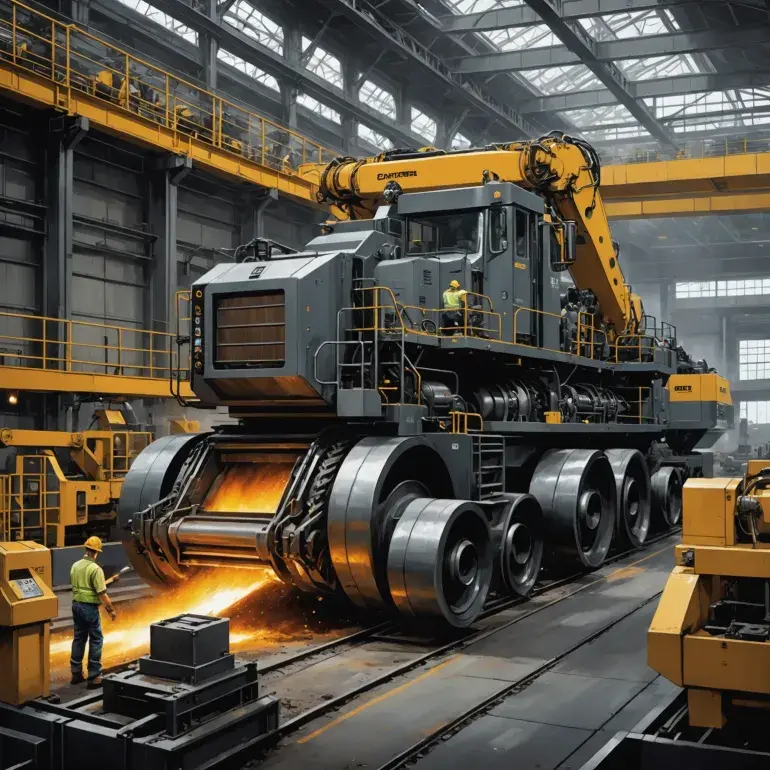
At its core, metal processing involves a series of transformative steps: extracting metals, refining them through metallurgy, and shaping them via metalworking methods like rolling, forging, and casting. Rolled metal products, in particular, represent a vital category—these are sheets, strips, bars, and coils that serve as fundamental building blocks for countless applications across industries.
However, not all metal processing is created equal. The quality of metal products hinges on meticulous control over variables such as temperature, pressure, and chemical composition. Even minor deviations can compromise the strength or flexibility of the final product, leading to costly failures in construction projects or equipment breakdowns. This delicate balance is what keeps metallurgists and engineers constantly innovating, pushing the boundaries of what metals can do.
Construction’s Reliance on Advanced Metalworking Techniques
In the realm of construction, metal products fabricated through sophisticated metalworking processes are indispensable. Steel beams, reinforcing bars, and metal panels must conform to stringent safety and durability standards, especially in seismic zones or extreme weather conditions. The integration of rolled metal products into building frameworks provides not just strength but also adaptability, allowing architects and engineers to realize complex designs without sacrificing reliability.
Moreover, the equipment used on construction sites—from cranes to earthmovers—depends heavily on components forged through precise metallurgy and metal processing. The reliability of such equipment ensures projects proceed on schedule and within budget, underscoring the critical role that metal processing plays beyond just static structures.
Bridging Tradition and Innovation in Metal Processing
While traditional metalworking techniques like rolling and forging have been around for centuries, today’s metal processing landscape is a fusion of time-tested skills and cutting-edge technology. Modern metallurgy involves advanced analytical tools to understand metal microstructures and tailor compositions for specific applications. Robotics and automation have revolutionized metal rolling, increasing efficiency and reducing human error in producing metal products.
This synergy between craftsmanship and technology is what propels industries forward. For professionals in construction and equipment manufacturing, staying abreast of these developments isn’t just advantageous—it’s essential to maintain competitiveness and meet ever-evolving regulatory standards.
- Improved Material Performance: Enhancing strength-to-weight ratios for lighter, stronger components.
- Greater Sustainability: Recycling and energy-efficient processing methods reduce environmental footprints.
- Customization: Tailoring metal properties to niche needs, such as corrosion resistance or thermal conductivity.
In a world where precision and adaptability define success, understanding the nuances of metal processing offers a clear edge. Whether you’re an engineer, manufacturer, or construction professional, this exploration into metalworking, rolled metal products, metallurgy, and related equipment will provide valuable insights to navigate today’s challenges and seize tomorrow’s opportunities.
Understanding Metal Processing: Key Aspects of Metalworking, Metal Rolling, and Metallurgy
What is Metal Processing and Why is it Important?
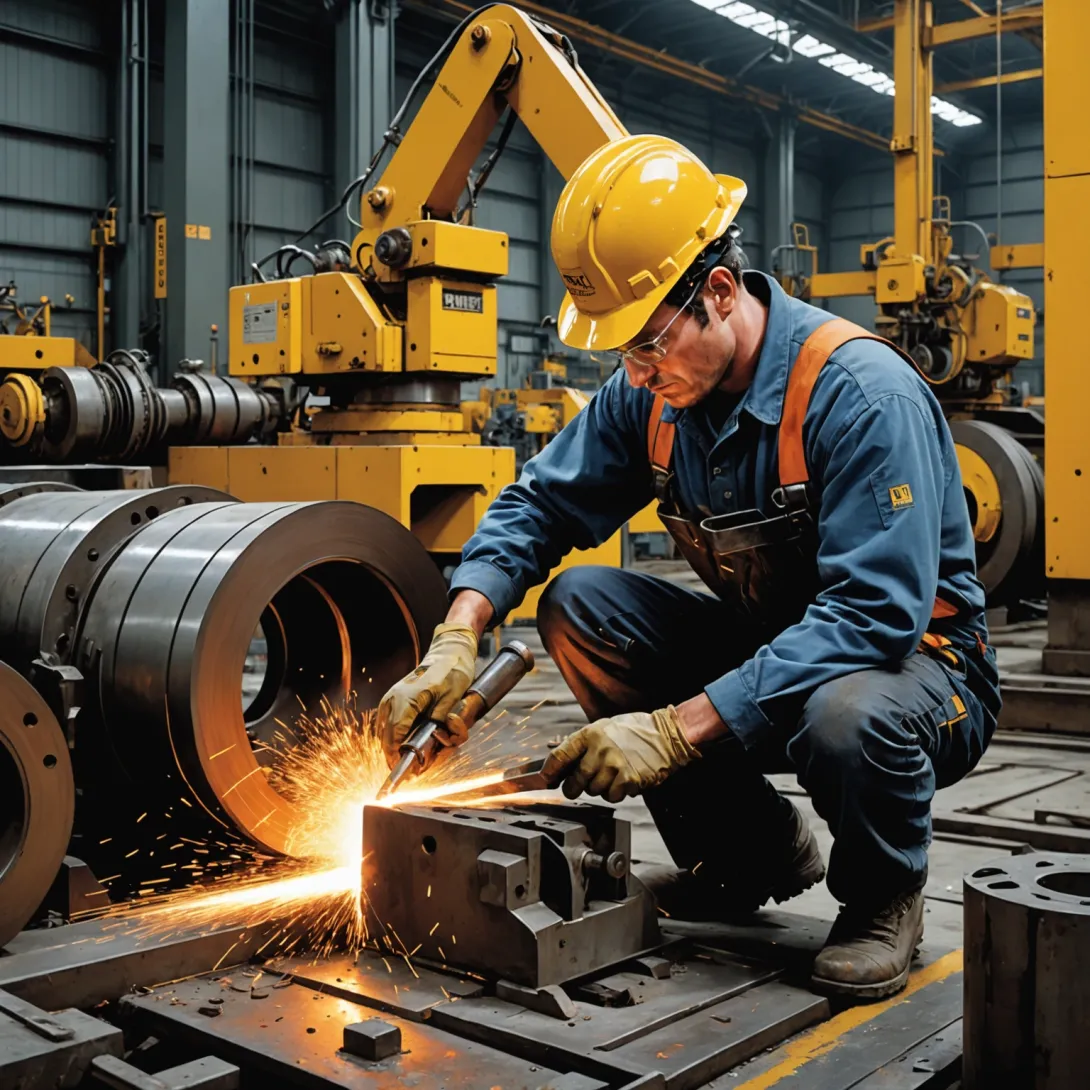
Metal processing refers to the various methods and techniques used to transform raw metal materials into usable metal products. This encompasses a broad range of activities including metalworking, metal rolling, casting, forging, and finishing. The goal of metal processing is to alter the physical and chemical properties of metals to meet specific industrial requirements, enhancing characteristics such as strength, durability, corrosion resistance, and formability.
Metal processing is crucial in numerous sectors such as construction, automotive, aerospace, and manufacturing. Without efficient metal processing, the creation of reliable metal components and structures would be impossible, directly affecting the quality and safety of the final products.
What is Metal Rolling and How Does it Fit into Metal Processing?
Metal rolling is a fundamental metalworking process where metal stock is passed through one or more pairs of rolls to reduce thickness, improve surface finish, and produce uniform thickness. It is one of the most widely used methods in metal processing, especially for producing rolled metal products like sheets, plates, strips, and coils.
There are two main types of metal rolling:
- Hot Rolling: Performed at high temperatures above the metal’s recrystallization point. It allows for easier shaping and is used to create large structural components for construction and heavy equipment.
- Cold Rolling: Conducted at or near room temperature, it increases strength through strain hardening and produces a smoother surface finish, ideal for metal products requiring precision and aesthetic appeal.
The choice between hot and cold rolling depends on the intended application, required mechanical properties, and surface quality of the metal product.
What Types of Metal Products Result from Metal Processing?
Metal processing yields a vast array of metal products used across industries. Common metal products include:
- Rolled Metal Products: Sheets, plates, coils, strips, and bars produced through rolling processes.
- Forged Products: Components shaped by compressive forces, offering high strength and durability, used in automotive and aerospace applications.
- Cast Products: Items created by pouring molten metal into molds, such as engine blocks or structural components.
- Fabricated Metal Assemblies: Metal parts cut, bent, and assembled to form complex structures in construction and machinery.
Each product type serves distinct purposes, depending on factors like mechanical requirements, cost constraints, and production volume.
How Does Metallurgy Influence Metal Processing and Product Quality?
Metallurgy is the scientific study of metals and their properties, including their behavior under various processing techniques. It plays a pivotal role in metal processing by providing insight into how metals react to heat treatment, deformation, and alloying.
Understanding metallurgy helps engineers and technicians optimize metal processing parameters to achieve desired properties such as tensile strength, hardness, ductility, and corrosion resistance. For example, knowledge of phase diagrams and microstructure transformations enables precise control over heat treatments to enhance metal performance.
Advancements in metallurgy have also led to the development of new metal alloys tailored for specific construction or equipment applications, improving longevity and safety.
What Role Does Metal Processing Play in Construction and Equipment Manufacturing?
In construction, metal processing is fundamental in producing steel beams, reinforcing bars, metal panels, and structural frameworks that form the backbone of modern buildings and infrastructure. The quality and properties of these metal products directly affect the stability and safety of structures.
For equipment manufacturing, metal processing enables the creation of precision parts and components essential for machinery, vehicles, and tools. The mechanical properties achieved through metalworking and metallurgy ensure that equipment can withstand operational stresses and environmental conditions.
Examples in construction and equipment sectors include:
- High-strength steel used in skyscraper frameworks for earthquake resistance.
- Corrosion-resistant metal products applied in marine and offshore equipment.
- Lightweight yet durable metal components manufactured for automotive and aerospace equipment to improve fuel efficiency.
What Equipment is Commonly Used in Metal Processing?
Metal processing requires specialized equipment tailored to different stages of metalworking and rolling:
- Rolling Mills: Machines that perform metal rolling, ranging from small-scale mills for thin sheets to large industrial mills for heavy plates.
- Forging Presses and Hammers: Equipment that applies compressive force to shape metal.
- Heat Treatment Furnaces: Used for annealing, quenching, and tempering to alter metal properties.
- Cutting and Forming Machines: Such as shears, laser cutters, and press brakes used for shaping metal products.
- Surface Treatment Equipment: Including sandblasting, coating, and plating machines to enhance durability and aesthetics.
The ongoing technological developments in equipment improve precision, efficiency, and environmental sustainability of metal processing operations.
Summary
In summary, metal processing is a complex and vital industrial activity involving metalworking, metal rolling, metallurgy, and specialized equipment to produce a wide range of metal products. Its applications in construction and equipment manufacturing are critical for modern infrastructure and technology.
By understanding the interplay between processing methods, metallurgical principles, and equipment, businesses can optimize production, improve product quality, and meet the evolving demands of various industries.